

Toyota Safety & Recall Information Center
Your Western North Carolina Resource for Toyota Safety Updates
Vehicle safety and clear information come first. Whether you received a notice in the mail or simply want to ensure your vehicle is completely up to date, our goal at Fred Anderson Toyota of Asheville is to give drivers across Asheville, Hendersonville, Johnson City and beyond direct access to accurate recall details.
Safety recalls and factory service campaigns are issued to fix potential manufacturing defects or compliance issues. Every official safety recall repair is completed using Genuine Toyota parts at no cost to you, covered entirely under factory warranty.
Check Your VIN OnlineUnderstanding Recall Types & Service Campaigns
Not every dealer update is an emergency, but every campaign serves a specific purpose:
Safety Recalls
Issued when a component affects occupant safety or meets federal motor vehicle safety standard concerns. Repairs are performed free of charge.
Special Service Campaigns
Voluntary programs created by Toyota to address specific operational, software, or emissions performance details that are not classified as safety hazards.
Software Updates
Technical enhancements designed to improve system performance, charging efficiency, or display accuracy.
Active Toyota Recall Details by Vehicle
Expand the sections below to review recent safety recalls and service campaigns. To verify if your specific vehicle is included, locate your 17-digit Vehicle Identification Number (VIN).
Trucks, SUVs & Minivans
2022–2023 Toyota Tundra: Machining debris left inside the engine during manufacturing can cause engine knocking, rough running, a no-start condition, engine failure, or a sudden loss of motive power while driving. Our technicians will perform a full engine assembly replacement.
2024–2025 Toyota Highlander & Highlander Hybrid: The third-row center seat belt roof anchor may have been installed at an incorrect angle, preventing the belt from properly restraining an occupant during a crash. Certified technicians correct this by reinstalling the anchor using a new bolt.
2021–2025 Toyota Sienna Hybrid: Third-row seatback attachment bolts may not have been torqued to full factory specification, which could affect seatback restraint during an impact. Certified technicians inspect and tighten all affected bolts to specification.
2022 Toyota RAV4 Hybrid: A Special Service Campaign addressing improper identification codes programmed into the hybrid powertrain control module. Reprogramming the module ensures compliance with state emissions guidelines without altering vehicle performance, fuel economy, or drivability.
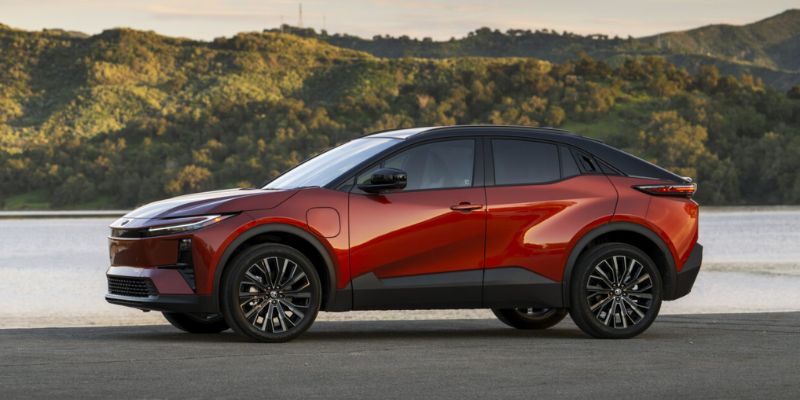
2023 Toyota bZ4X: A service software campaign designed to enhance DC fast-charging performance and improve display accuracy for remaining driving range, battery state-of-charge, and real-world energy consumption.
Performance & Sports Cars
2021–2023 Toyota Supra (Starter Wear): Internal wear on the engine starter can cause a no-start condition, starter overheating, and a potential fire while starting or while the engine is running. The remedy is a complete engine starter replacement.
2020–2022 Toyota Supra (Starter Corrosion & Safety Advisory): Water intrusion into the starter can corrode the starter relay, leading to a short circuit and potential vehicle fire (including while parked). Toyota advises affected owners to park outside until a certified Toyota dealership team performs this recall repair.
2023 Toyota Supra (Transmission Control Unit): An improperly manufactured Integrated Transmission Control Unit can allow transmission oil intrusion, causing transmission gears to seize, impacting vehicle handling and increasing crash risk.
2020–2021 Toyota Supra (Braking & Fuel Systems): ECU software updates correct potential damage to the power brake assistance system under specific starting conditions, which can cause increased braking effort and longer stopping distances. Additionally, select 2020–2021 models require a fuel tank replacement due to improper seam welds that can leak fuel near ignition sources and create a fire risk.
2020–2021 Toyota Supra (Software & Lighting Adjustments): Engine control software updates on 2021 models correct 12V battery management interference with Stop/Start functionality. On 2020 models, software updates resolve camera brightness/contrast issues that reduce rear visibility and increase backing risk. Certified technicians also reposition headlamp adjustment plugs installed in incorrect locations to meet federal standards.
Older Models, Replacement Airbags & Takata Recalls
2003–2008 Corolla & 2005–2008 Matrix: Replacement passenger airbags installed during a prior recall service may suffer damage during deployment and fail to inflate properly, reducing passenger protection in a crash. Certified technicians perform a complete repair/replacement of the affected airbag assembly.
1997–2000 Older Models (Driver Airbags): Select 1997–1998 Supra, 1998–1999 Celica, 1998–2000 RAV4, and 1998–1999 RAV4 EV models carry safety recalls for abnormal driver's airbag deployment or inflator rupture risks. Certified technicians replace the driver's airbag/inflator as required.
2004–2005 RAV4 (Takata Driver Airbag): Moisture entering the driver's Takata airbag inflator over time makes it susceptible to rupture upon deployment, sending dangerous metal fragments into the cabin. Certified technicians replace the driver's airbag inflator.
Takata Passenger Airbag Campaigns (Corolla, Matrix, Tundra, Sequoia): Nationwide, zone-specific (Zone A, B, C), and humidity-focused recalls address defective passenger airbag inflators.
Climate Impact in Western North Carolina: Propellant in Takata inflators degrades over time due to exposure to extended heat spikes and high humidity levels common across the Asheville, Johnson City, and Hendersonville areas of Western North Carolina. Upon deployment, degraded propellant can cause the metal canister to rupture and propel sharp fragments toward vehicle occupants.
All Takata and driver airbag inflator replacement remedies are provided 100% free of charge by factory-authorized dealers.
How to Check Your Vehicle Status
To confirm if your Toyota has an open recall or outstanding service campaign, follow these simple steps:
1. Locate your 17-digit VIN
You can find this number stamped on the lower driver's side corner of your windshield, inside the driver’s door jamb, or listed on your vehicle registration card.
2. Run a VIN Check
Enter your VIN into the official Toyota Recall Lookup Tool or the NHTSA Recalls Portal to see any active notices.
3. Contact Our Service Department
Call our team directly at Fred Anderson Toyota of Asheville. We can check your VIN in our system, confirm component availability, and schedule a convenient time for your free recall service.